





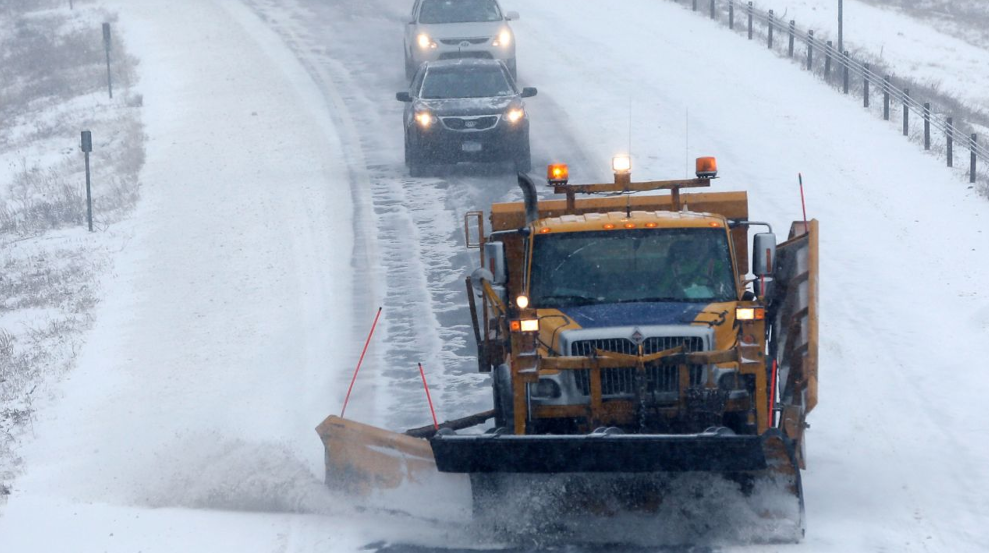
Winter driving in Ohio is one of the most dangerous challenges any new driver can face — not just because of snowstorms, but because of the state’s unique combination of lake-effect snow, rapid temperature swings, and unpredictable black ice.
Understanding what makes winter driving in Ohio different from other states is the first step every teen and adult driver must take before getting behind the wheel between November and March.
Ohio is not a typical winter state. It sits at the intersection of multiple weather systems that create conditions most drivers are completely unprepared for.
At Youth Driving Schools — with locations in Dayton, Cincinnati, Columbus, and Cleveland — winter driving education is a core part of every behind-the-wheel program. This guide covers the science, the risks, and the survival skills that can prevent spin-outs, slide-offs, and serious crashes on Ohio roads.
Winter Driving in Ohio: Why Ohio Roads Are More Dangerous Than Most States
Ohio sits at a unique geographic and meteorological intersection that makes its winters more unpredictable than almost any other Midwestern state. In a single winter month, an Ohio driver may face snowstorms, whiteouts, black ice, flash freezing, sleet, slush, wind gusts, zero-visibility conditions, subzero temperatures, and frozen bridges — sometimes within the same 24-hour period.
The state experiences lake-effect snow near Cleveland and Toledo, rapid temperature drops in Columbus, Dayton, and Cincinnati, and high-speed interstate conditions on I-70, I-75, and I-71 that make any loss of traction life-threatening. Weather reports almost always say “use caution.” But caution is not a technique — and most new drivers have never been taught what safe winter driving actually looks like.
How Temperature Swings Create Unpredictable Ice on Ohio Roads
Ohio’s winters are defined not by sustained cold, but by constant fluctuation. A single day may move from 40°F with rain to 28°F with freezing, back to 32°F with melting, and then drop again to 20°F — refreezing everything overnight. These cycles produce the most dangerous driving conditions possible: invisible black ice, patchy traction zones, frozen slush, and melted-then-refrozen puddles that look harmless but are not.
Teen drivers are especially vulnerable to temperature-swing ice because they brake too late, turn too quickly, and accelerate too aggressively. None of these inputs are safe when traction is near zero — even at speeds as low as 10 to 15 mph.
Why Ice — Not Snow — Is the Biggest Winter Threat for New Drivers
Most drivers fear snowstorms. Experienced winter driving instructors fear ice. Snow slows traffic naturally and provides visual cues. Ice is invisible, provides zero traction, causes instant skids, prevents effective braking, and makes even gentle turning dangerous. A car traveling at 10 mph on black ice can slide hundreds of feet without any possibility of stopping.
New drivers must understand that the visual appearance of the road tells them almost nothing about actual traction. A road that looks wet may be frozen solid. A road that looks dry and dark may be covered in black ice. This is why winter driving education at Youth Driving Schools includes specific training on reading road conditions — not just reacting to them.
Why 70% of Ohio Winter Accidents Involve Speed — Even at Low Speeds
Speed in winter driving is relative, not absolute. 10 mph is too fast when traction is near zero. 40 mph is fine on a clear, dry road but fatal on black ice. The problem is that snowy roads look slow — they create a visual impression of calm that does not reflect the actual physics of the surface beneath the tires.
Teens consistently misjudge safe winter speeds because their driving experience has been built on dry pavement. The correct approach is to reduce speed based on road surface conditions, not posted speed limits. During behind-the-wheel training, Youth Driving Schools instructors specifically teach students to assess traction before selecting speed — not after.
How Visibility Loss Creates Unique Dangers in Ohio Winter Conditions
Winter dramatically reduces visibility in ways new drivers rarely anticipate. Windshield fog, frost buildup, ice film on glass, heavy snowfall, blizzard whiteouts, and headlight glare off snow are all common Ohio winter conditions that can reduce visibility from hundreds of feet to near zero in seconds.
New drivers panic when visibility drops suddenly. They do not know how to adjust speed progressively, how to use lane markings when they disappear under snow, when to pull over safely, or how to avoid the dangerous mistake of driving with high beams in a snowstorm — which reflects off snowflakes and reduces visibility further. These skills are teachable and must be taught before a driver encounters these conditions alone.
The Science of Winter Driving in Ohio: What Every New Driver Must Know About Traction
Most new drivers believe traction means tire grip. The reality is more complex. Traction is the relationship between tire rubber, tread depth, vehicle weight, road surface, temperature, speed, brake pressure, and steering input — all simultaneously. Driving on snow or ice is not like driving on dry pavement. Even small errors produce large consequences because the margin for correction is nearly zero.
The Friction Circle: The Most Important Concept New Drivers Never Learn
The friction circle is a physics concept that explains how a tire can only perform one high-demand action at a time. If you brake hard, you cannot turn sharply. If you turn sharply, you cannot brake hard. If you accelerate, you cannot turn fast. On dry pavement, the friction circle is large — there is room to combine braking and steering. On snow or ice, the friction circle shrinks dramatically.
This means: small steering inputs only, gentle braking only, and no sudden acceleration. Skid prevention begins before the skid — not during it. Youth Driving Schools teaches this concept during classroom instruction so students understand why smooth, controlled inputs are the foundation of every winter driving technique.
How to Use ABS Brakes Correctly on Ice and Snow
Anti-lock braking systems prevent wheel lockup by automatically pulsing brake pressure many times per second. When used correctly, ABS allows the driver to maintain steering control while stopping. When used incorrectly — which is what most untrained drivers do — it causes panic and loss of control.
The most common mistake teen drivers make with ABS: they slam the brakes, feel the pedal vibrate, panic at the unfamiliar sensation, and release the brakes entirely — eliminating all stopping force. The correct technique is to press the brake pedal firmly and hold it. Do not pump. Do not release. Let the system work. ABS saves lives, but only in the hands of a driver who has been taught how it works.
Weight Transfer: Why Hard Braking on Ice Causes Spinouts
When a vehicle brakes hard, vehicle weight transfers forward. The front tires bear more load and the rear tires lose grip. On a dry road, this transfer is manageable. On ice, it happens instantly and the rear of the vehicle can swing sideways — producing a spinout at any speed.
This is the mechanical reason gentle braking is essential in winter conditions. It is not just about caution — it is about physics. Gentle, progressive brake pressure keeps the vehicle’s weight distribution stable and the rear tires in contact with the road. This principle is part of the core winter driving curriculum at Youth Driving Schools.
Why Snow Tires Are a Life-Saving Upgrade for Ohio Winters
All-season tires are not winter tires — despite what the name implies. All-season tires are engineered to perform adequately across a range of conditions, but they harden in temperatures below approximately 45°F, reducing their grip on ice and packed snow significantly.
Winter tires use softer rubber compounds that remain flexible in cold temperatures, deeper tread grooves that channel snow and slush, and specialized tread patterns designed for ice contact. The difference in stopping distance between all-season and winter tires in Ohio winter conditions can be 30 to 50 feet — the length of two car lengths. For teen drivers and new adults still developing driving reflexes, winter tires are not an optional upgrade.
Master Winter Driving in Ohio Before the First Snowfall
Winter driving in Ohio is a skill, not luck. The drivers who stay safe understand traction, respect ice, slow down early, and practice ABS braking long before an emergency forces them to. New drivers who learn these winter driving in Ohio fundamentals with a licensed instructor build reflexes that protect them for life.
Authoritative resources back these practices: the NHTSA winter driving tips detail vehicle preparation and emergency kits, and the National Weather Service in Cleveland tracks the lake-effect snow that makes northern Ohio especially hazardous.
Keep building your winter skills: learn exactly what to do during emergency winter driving situations, see how rain, snow, ice, and fog affect driving safety, and when you are ready to train with an instructor, explore our Teen Program and Adult Program.


